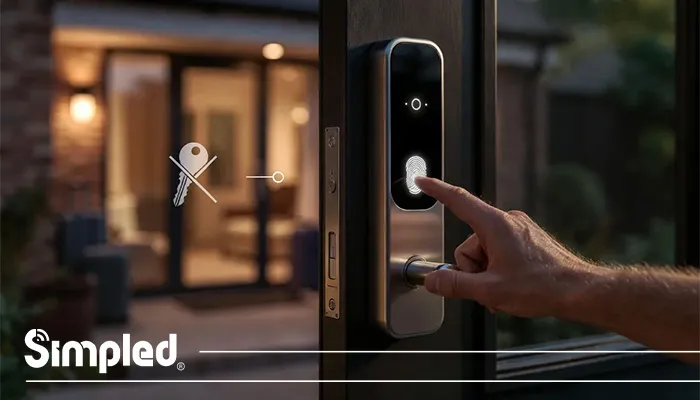
Types of Garage Door Locks: Secure Options for Every Home
Your garage isn’t just a space for your car — it’s often home to valuable tools, bikes, and equipment. Yet, many homeowners overlook garage security. The right garage door lock can make all the difference between peace of mind and a potential break-in.
In this guide, we’ll explore the most reliable types of garage door locks, how they work, and which ones offer the best protection for UK homes. Whether you’re upgrading from an old mechanism or considering a smart security upgrade, you’ll find practical insights to help secure your property.
Why Garage Door Security Matters
Garages are one of the most common entry points for burglars. In many UK homes, garages connect directly to the main house — making them an easy target if poorly secured.
According to police crime prevention data, over 10% of home break-ins start through the garage. The solution? A proper locking system that deters forced entry and resists tampering.
💡 Tip: Treat your garage door with the same level of security as your front door. A strong lock is your first line of defence.

Different Types of Garage Door Locks
Not all garage doors are built the same — and neither are their locks. Below are the most common types of garage door locks you’ll encounter in the UK, each suited for specific door styles and security needs.
1. T-Handle Garage Door Locks
T-handle locks are one of the most traditional types used on up-and-over or sectional garage doors. The lock is shaped like the letter “T” and typically installed in the centre of the door.
How It Works:
Turning the T-handle engages internal cables that secure the door from the inside. Most models use a key cylinder lock for access.
Pros
Simple and affordable
Durable and weather-resistant
Easy to operate
Cons
Can be picked or forced with enough effort
Requires drilling for installation
Best For: Up-and-over or steel garage doors.
2. Deadbolt Garage Locks
Deadbolts offer a robust locking mechanism similar to what you’d find on residential doors. They can be installed on the interior of the garage or integrated with the main door latch.
How It Works:
The bolt slides directly into the frame or bracket, making it difficult to pry open.
Pros
Excellent physical strength
High resistance to tampering
Suitable for both manual and motorised doors
Cons
Manual locking required unless automated
Needs precise installation
Best For: Wooden or side-hinged garage doors.
3. Slide Bolt Locks (Latch Locks)
Slide bolts, also known as latch or barrel bolts, are simple yet effective internal locks. They feature a sliding metal bar that fastens into a bracket or slot on the frame.
Pros
Cheap and easy to install
Adds an extra layer of security when combined with another lock
Ideal as a secondary lock
Cons
Not suitable as the sole security mechanism
Can be accessed from inside only
Best For: Manual up-and-over or roller-style doors.
4. Rim Locks
Rim locks are surface-mounted and commonly used on older garage doors. They lock the door from inside and often feature an exterior key cylinder.
Pros
Simple installation
Affordable security option
Works well with wooden doors
Cons
Outdated compared to modern locking systems
Limited resistance against force attacks
Best For: Outbuildings, workshops, or smaller garages.
5. Ground Anchor Locks
Ground anchors are not attached to the door but instead secure items inside the garage. Typically used with chains or cables, they anchor bikes, ladders, or tools to the floor or wall.
Pros
Adds internal protection even if the door is breached
Excellent for securing high-value items
Cons
Doesn’t secure the garage door itself
Requires drilling into concrete
Best For: Securing bicycles, motorcycles, and tools inside the garage.
6. Electronic Keypad Locks
For homeowners looking for keyless convenience, electronic keypad locks offer a balance between ease of access and reliable security. These locks allow you to open your garage using a PIN code.
Pros
Keyless entry (no lost keys)
Can share temporary codes
Easy to install on most door types
Cons
Battery-powered — requires replacements
May need weatherproofing in exposed areas
Best For: Modern garages or integrated garage systems.
7. Smart Garage Door Locks
The newest and most advanced option, smart garage locks, combine connectivity, automation, and high-end security features.
How It Works:
These locks connect to your home Wi-Fi or Bluetooth and can be controlled via smartphone apps or voice assistants like Alexa or Google Home.
For example, Simpled’s BLE-based smart locks, when paired with a Wi-Fi bridge, allow you to lock or unlock your garage remotely and check real-time access logs.
Pros
Remote control and monitoring
Voice assistant compatibility
Integration with full smart home systems
Can send alerts or lock automatically
Cons
Higher upfront cost
Requires setup via app and bridge connection
Best For: Tech-savvy homeowners or Airbnb hosts managing multiple access points.

How to Choose the Right Garage Door Lock
Choosing the right lock depends on your door type, security needs, and lifestyle. Consider the following:
Door Material: Metal doors often need T-handle or deadbolt locks, while wooden ones suit rim or mortice locks.
Automation Level: If your garage door is electric, opt for smart or electronic locks.
Frequency of Use: Frequent users benefit from keyless or smart options for convenience.
Budget: Mechanical locks are budget-friendly; smart locks are long-term investments in safety.
✅ Expert Tip: Always combine internal and external locks for layered protection.
Installation Tips and Common Mistakes
Proper installation determines how secure your garage really is.
Do:
Use heavy-duty screws and bolts.
Reinforce the frame around the lock area.
Test the lock regularly for smooth operation.
Don’t:
Install locks on weak or rotting frames.
Ignore alignment — even small misfits reduce effectiveness.
Forget to maintain — lubricate locks periodically to prevent rust.
🛠️ What special features do your products have in this part? (If Simpled offers installation services or compatible accessories, add here.)
When to Upgrade to a Smart Garage Lock
If your current lock feels outdated or inconvenient, upgrading to a smart lock is worth considering. These offer:
Keyless convenience
Real-time monitoring
Integration with smart home apps
Temporary access codes for guests or deliveries
For example, pairing a Simpled SS Smart Lock or sf slim series smart lock with a Wi-Fi bridge lets you control your garage from anywhere — ideal for homeowners who travel frequently or rent out properties.
Conclusion: Secure Your Garage, Protect Your Home
Your garage is an entryway worth protecting. Whether you prefer a mechanical deadbolt or a smart Wi-Fi lock, investing in a secure system keeps your belongings — and your peace of mind — safe.
Modern smart locks, like those from Simpled, combine the best of both worlds: strong physical security and intelligent control. Choose the lock that suits your lifestyle, and take one more step toward a smarter, safer home.
FAQs
What is the most secure type of garage door lock?
Deadbolts and smart locks offer the highest level of security, combining physical strength and advanced access control.
Can I add a smart lock to my existing garage door?
Yes. Many smart locks are designed to retrofit onto existing doors using a Wi-Fi bridge for connectivity.
How do I know if my garage door is compatible with a new lock?
Check your door’s material and locking mechanism — most standard UK up-and-over or sectional doors support multiple lock types.
Are smart garage locks worth it?
Absolutely. They offer remote control, automation, and real-time alerts — perfect for modern homes and Airbnb properties.
Do garage door locks require maintenance?
Yes. Clean and lubricate them twice a year, and check screws for tightness to ensure long-lasting security.